Latest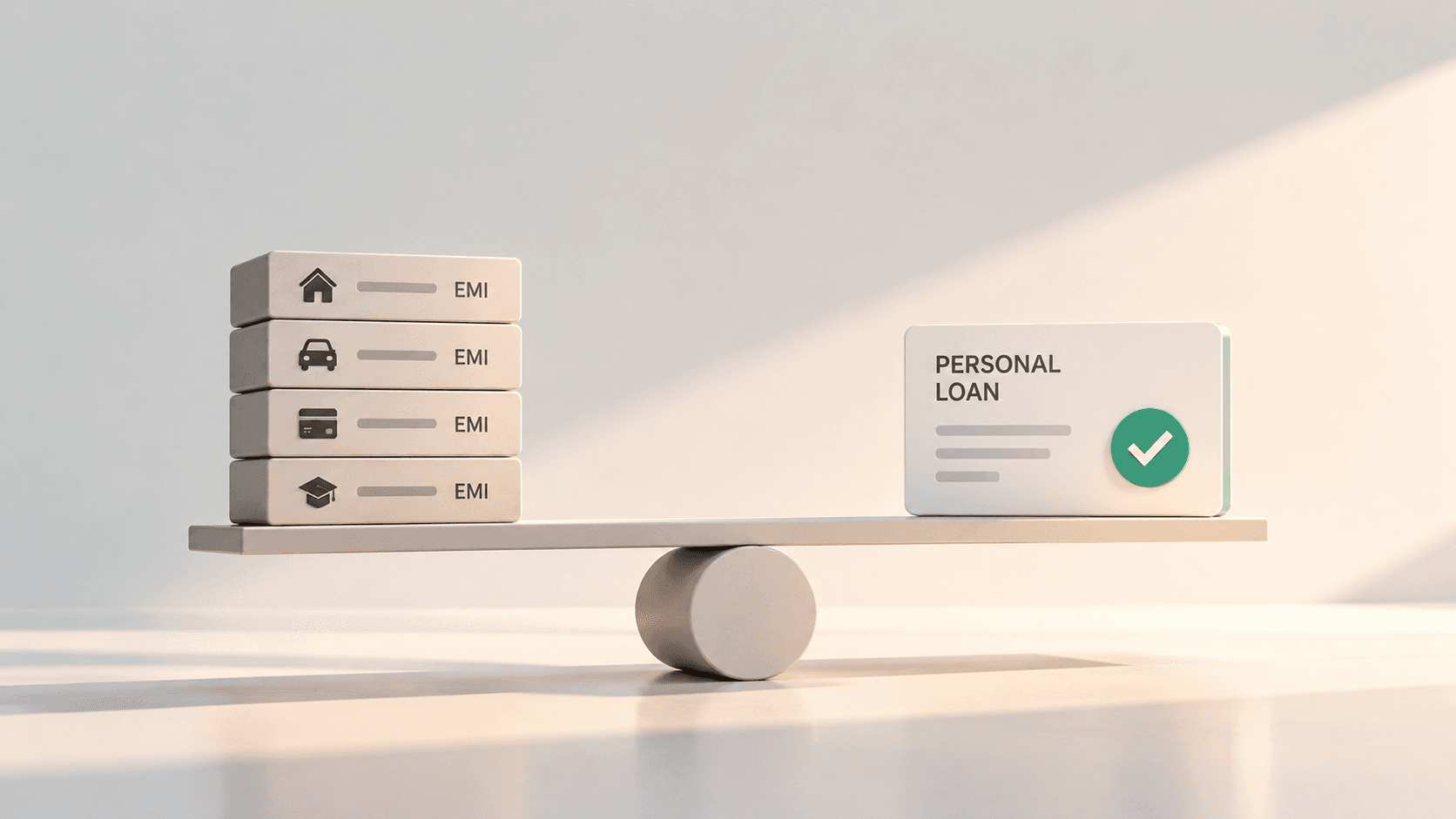
Already paying an EMI and wondering whether you can take another personal loan? The answer is yes, you may still qualify.
Existing EMI personal loan eligibility depends on how much you earn, how much you already repay, your credit history and whether you can comfortably manage another monthly payment.
Having an existing loan does not automatically make you ineligible. However, lenders will check your current financial commitments before deciding whether to offer additional credit.
Let's understand how this works and what you should check before borrowing again.
Can You Get a Personal Loan While Paying an Existing EMI?

Yes. You can be eligible for another personal loan even if you're already repaying a home loan, vehicle loan or personal loan.
For example, suppose you earn ₹50,000 per month and pay ₹8,000 towards an existing loan.
If you need another ₹25,000 for an unexpected expense, the lender will consider whether the additional EMI fits within your income and existing commitments.
This is where existing EMI personal loan eligibility becomes important.
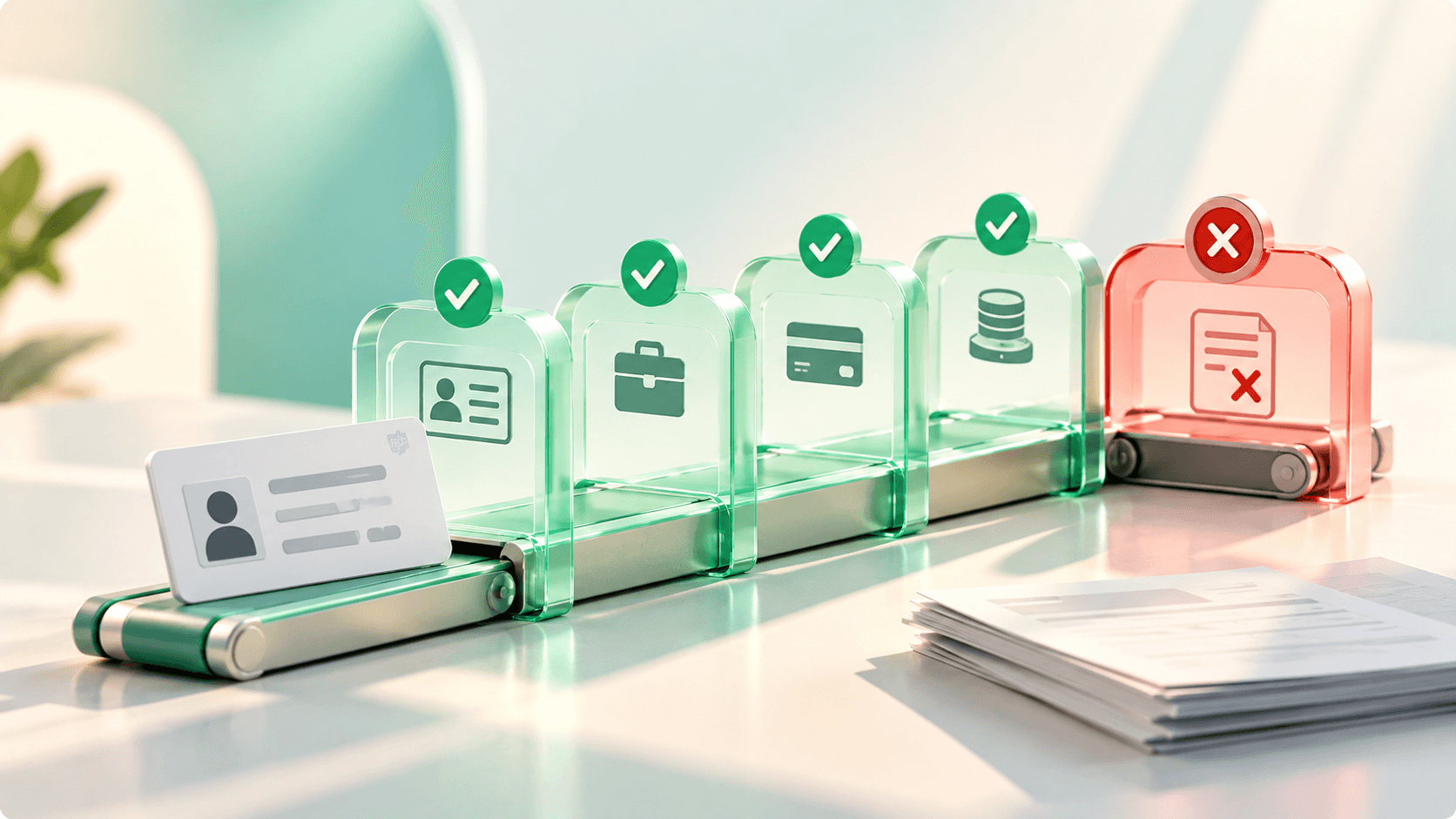
Lenders generally want to understand three things:
How Is Existing EMI Personal Loan Eligibility Calculated?
One important factor lenders consider is your EMI-to-income ratio.
It measures how much of your monthly income goes towards repaying loans.
Some lenders assess this through a metric called the Fixed Obligation to Income Ratio (FOIR).
The basic calculation is:
EMI-to-Income Ratio = (Total Monthly EMIs ÷ Monthly Income) × 100
Let's understand this with an example.
Suppose your monthly income is ₹40,000.
You are currently paying:
. Personal loan EMI: ₹6,000
. Two-wheeler loan EMI: ₹3,000
. Total existing EMIs: ₹9,000
Your existing EMI-to-income ratio is 22.5%.
Now suppose you're considering another loan with a monthly EMI of ₹4,000.
Your total monthly repayments would become ₹13,000, increasing the ratio to 32.5%.
This does not guarantee eligibility. The lender may also consider household expenses, income stability, credit behaviour and its internal lending policy.
For existing EMI personal loan eligibility, the combined repayment amount is more useful than looking at your new EMI separately.
How Much Existing EMI Is Too Much?
There is no single EMI limit that every lender follows.
However, lenders often become more cautious when a large part of your monthly income is already committed to debt repayment.
According to TransUnion CIBIL, loan approval chances may reduce when total EMIs exceed 50% of monthly salary.
Here's how different EMI amounts can affect your monthly income:
. ₹30,000 monthly income: If your total EMIs are ₹6,000, you're spending 20% of your income on loan repayments.
. ₹40,000 monthly income: With ₹12,000 in EMIs, 30% of your income goes towards repayments.
. ₹50,000 monthly income: If you pay ₹20,000 in EMIs, 40% of your monthly income is already committed.
. ₹60,000 monthly income: With ₹33,000 in EMIs, 55% of your income goes towards loan repayments.
A lower EMI-to-income ratio generally means more room for another loan repayment.
However, even a 30% ratio may be uncomfortable if you have high rent, family expenses or irregular income.
Your ability to pay matters just as much as your eligibility.
5 Factors That Affect Personal Loan Eligibility With Existing EMIs

Your monthly repayment amount is only one part of the lender's assessment.
Here are five other factors that can influence existing EMI personal loan eligibility.
1. Your Monthly Income
Lenders assess whether your income is sufficient to support another loan.
Someone earning ₹70,000 with an existing EMI of ₹10,000 may have more repayment flexibility than someone earning ₹25,000 with the same EMI.
Regular income also helps lenders assess financial stability.
2. Your Credit Score and Repayment History
Your credit report shows how you've handled previous loans and credit accounts.
Paying existing EMIs on time can demonstrate responsible repayment behaviour.
However, missed payments, overdue balances or frequent defaults may affect your chances of qualifying.
A good credit score can support your application, but it cannot guarantee approval.
3. Your Existing Loan Amounts
Lenders may consider how much you still owe, not just your monthly instalments.
Two borrowers paying the same EMI might have different outstanding loan balances.
This can affect how lenders assess overall debt exposure.
4. Your Employment and Income Stability
Consistent income makes it easier to assess your ability to repay.
Lenders may look at your employment history, salary credits or business income patterns, depending on your profile.
5. Your Recent Credit Applications
Multiple loan applications within a short period can lead to several credit enquiries.
This may make lenders more cautious, particularly when you already have substantial outstanding debt.
For better existing EMI personal loan eligibility, avoid submitting unnecessary applications to several lenders simultaneously.
How to Improve Your Chances of Getting Another Loan
Before exploring another loan, calculate your existing EMIs and monthly expenses. You can visit Bridge Capital to explore available borrowing options and understand the eligibility requirements.
Pay existing EMIs on time.
Consistent repayments help maintain a healthier credit history. Even if you cannot close an existing loan immediately, avoiding overdue payments is important.
Reduce your outstanding debt.
If you have a small loan nearing completion, paying it off according to its terms could reduce your monthly obligations. Check applicable prepayment charges before deciding.
Borrow only what you need.
If your expense is ₹20,000, avoid borrowing ₹50,000 simply because a larger amount is available.
A smaller loan may mean a more manageable repayment commitment.
Check your credit report.
Review outstanding balances, repayment records and any errors before approaching a lender.
Calculate your remaining monthly budget.
Subtract existing EMIs and essential expenses from your take-home income. Then consider whether another EMI would leave enough room for emergencies.
Improving existing EMI personal loan eligibility should never come at the cost of overstretching your monthly budget.
Should You Take Another Personal Loan With Existing EMIs?
Sometimes, another loan can help cover a necessary expense. But borrowing again deserves careful thought.
Suppose your monthly income is ₹35,000.
You already pay ₹7,000 in EMIs and spend around ₹22,000 on household expenses.
That leaves ₹6,000 before savings and unexpected costs.
Adding another ₹4,000 EMI would leave just ₹2,000.
Although a lender might assess your application, the additional repayment could make your monthly budget difficult to manage.
Before borrowing, ask yourself:
. Is this expense essential or can it wait?
. Can I manage the additional EMI if my expenses increase?
. Do I have savings to cover an unexpected situation?
Meeting existing EMI personal loan eligibility criteria does not necessarily mean taking another loan is the right financial decision.
What Should You Check Before Accepting Another Loan?
Before agreeing to an offer, review the interest rate, processing fees, repayment tenure, monthly EMI and total repayment amount.
Also check the Annual Percentage Rate (APR), which reflects the annual cost of borrowing including applicable charges.
The RBI requires regulated lenders to provide a Key Facts Statement (KFS) containing important loan terms and costs for applicable retail term loans.
Read this information carefully instead of judging the offer only by its monthly EMI.
A longer tenure may reduce the EMI while increasing your total interest paid.
Final Thoughts
Having an existing EMI doesn't automatically mean you cannot qualify for another personal loan. Your income, repayment history and current financial commitments all influence the lender's decision.
At Bridge Capital, we believe borrowing decisions should begin with a clear understanding of what you can comfortably repay. Before exploring another loan, review your existing EMIs, monthly expenses and overall repayment capacity.
Frequently Asked Questions
Q1. Can I get a personal loan if I already have two loans?
Yes, it's possible. Lenders assess your total repayment obligations, income and credit profile rather than rejecting every borrower with multiple loans. Approval remains subject to the lender's criteria.
Q2. Can I get another personal loan from the same bank?
You may be able to. Some lenders allow eligible existing borrowers to take an additional loan or top-up facility. Availability depends on the lender's policy, your repayment record and affordability.
Q3. Does closing an existing EMI improve my loan eligibility?
It may. Closing a loan can reduce your monthly repayment commitments. However, lenders may also assess your credit history, remaining obligations and income before making a decision.
Q4. Can I get another personal loan if I missed an EMI earlier?
You may still qualify, but missed payments can affect your credit profile. The impact depends on how recent and serious the missed payment was, whether dues remain unpaid and the lender's assessment.
Q5. Is there a waiting period between two personal loans?
There is no universal waiting period applicable to every borrower and lender. Individual lenders may have their own requirements relating to recent borrowing, repayment history and existing debt.